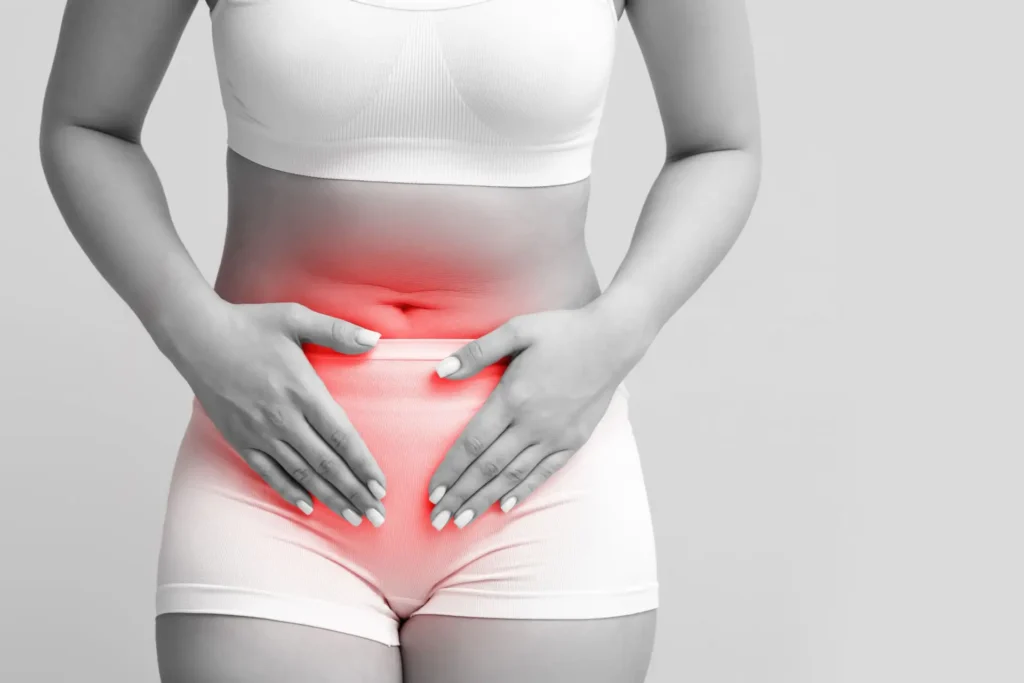
Conditions Treated: Hormone, Endometriosis & Women’s Health

PMS & PMDD Support for Balanced Hormones and Lasting Relief
Premenstrual Syndrome (PMS) and Premenstrual Dysphoric Disorder (PMDD) are two very different conditions, yet they are often misunderstood, confused with one another, and significantly under-supported.
PMS is extremely common, affecting up to 75% of people who have periods, including some individuals with hormonal IUDs who may not experience regular bleeding. PMDD, on the other hand, is far less common but much more severe, impacting approximately 3–8% of women.
Both conditions deserve to be taken seriously. If you do not feel like yourself for one to two weeks each month—regardless of how “mild” the symptoms may seem—it can have a profound impact on your relationships, work, confidence, and overall quality of life. Importantly, PMS and PMDD are not random or something you simply have to live with. They are signs of treatable imbalances in the body, and research shows they can be effectively managed using individualized, holistic approaches.
We are often asked about the causes of PMS and PMDD, and the reality is that they are almost always multifactorial. Below are some of the most common contributing factors.
Holistic PCOS Support for Regular Cycles, Stable Mood, and Increased Energy
Polycystic Ovarian Syndrome (PCOS) is a complex condition that involves both sex hormones and hormones that regulate metabolism. It is estimated to affect approximately 1 in 10 women, though some research suggests the true number may be even higher.
PCOS can significantly impact both physical health and self-confidence. While irregular or absent periods are a hallmark feature, many women also experience acne, unwanted hair growth, hair thinning or loss, and, for some, changes in weight. PCOS is also considered the leading cause of anovulatory infertility.


Thyroid Support to Boost Energy and Restore Balance
Are you feeling cold all the time, exhausted, moody, or constipated? Are you noticing weight gain, joint pain, or changes in your menstrual cycle? These can all be signs that your thyroid may not be functioning optimally.
The thyroid is a small, butterfly-shaped gland located at the front of the neck, but its impact on the body is enormous. Thyroid hormones—T3 and T4—help regulate metabolism, energy production, mood, digestion, and the function of nearly every cell in the body. Because of this, properly assessing thyroid health is essential for overall well-being.
Naturopathic Care for Fatigue to Recharge Your Energy Naturally
Are you waking up tired no matter how much sleep you get? Do you rely on caffeine just to get through the day, struggle with brain fog, or feel like your energy crashes by mid-afternoon? Persistent fatigue is one of the most common and most misunderstood health concerns, and it’s often a sign that something deeper is going on.
Fatigue is not the same as simply being busy or sleep-deprived. True, ongoing fatigue can affect your mood, focus, motivation, immunity, and overall quality of life. It’s your body’s way of signaling that it’s struggling to keep up with internal demands.

Stress Solutions for Burnout Relief, Anxiety and Depression
Mental health challenges affect nearly all Canadians at some point—either personally or through the experience of a loved one, friend, or colleague. In any given year, 1 in 5 Canadians will experience a mental illness, and by age 40, 1 in 2 will have struggled with their mental health in some way. The question many people are asking is: why is this happening so often?
While trauma, life experiences, environment, and genetics absolutely play a role, our understanding of mental health has evolved significantly. Emerging research suggests that conditions such as anxiety and depression are often inflammatory and physiological in nature, and can be closely connected to blood sugar imbalances, hormonal shifts, and other internal stressors. These findings are important because they point to modifiable factors that can be addressed.
Perimenopause Relief to Restore Balance and Ease Symptoms
Approximately 25 million women enter menopause each year, and by 2030, the global population of postmenopausal women is expected to reach 1.2 billion. If you’re navigating this transition, you are far from alone. Many women are seeking better answers, clearer guidance, and real solutions to help them feel strong, balanced, and well during this phase of life.
Personalized Naturopathic Care for Endometriosis
Endometriosis is a chronic and often debilitating condition that affects approximately 1 in 10 women during their reproductive years. It occurs when tissue similar to the lining of the uterus grows outside of the uterus. While this tissue most commonly appears on the ovaries, uterine ligaments, nerves, within the muscle of the uterus, or along the pelvic walls, it can develop in many areas throughout the body.
Symptoms vary depending on where this tissue is located, but commonly include pelvic pain, painful periods, pain with intercourse, discomfort with bowel movements, fatigue, and infertility. For many women, symptoms are most pronounced in the days leading up to and during menstruation.