My appointment list is waiting for you.

Personalized Nutritional Supplements Georgetown

Premenstrual Syndrome (PMS) and Premenstrual Dysphoric Disorder (PMDD) are two very different conditions, yet they are often misunderstood, confused with one another, and significantly under-supported.

PMS is extremely common, affecting up to 75% of people who have periods, including some individuals with hormonal IUDs who may not experience regular bleeding. PMDD, on the other hand, is far less common but much more severe, impacting approximately 3–8% of women.

Both conditions deserve to be taken seriously. If you do not feel like yourself for one to two weeks each month—regardless of how “mild” the symptoms may seem—it can have a profound impact on your relationships, work, confidence, and overall quality of life. Importantly, PMS and PMDD are not random or something you simply have to live with. They are signs of treatable imbalances in the body, and research shows they can be effectively managed using individualized, holistic approaches.

We are often asked about the causes of PMS and PMDD, and the reality is that they are almost always multifactorial. Below are some of the most common contributing factors.

Recognizing PMS and PMDD Symptoms

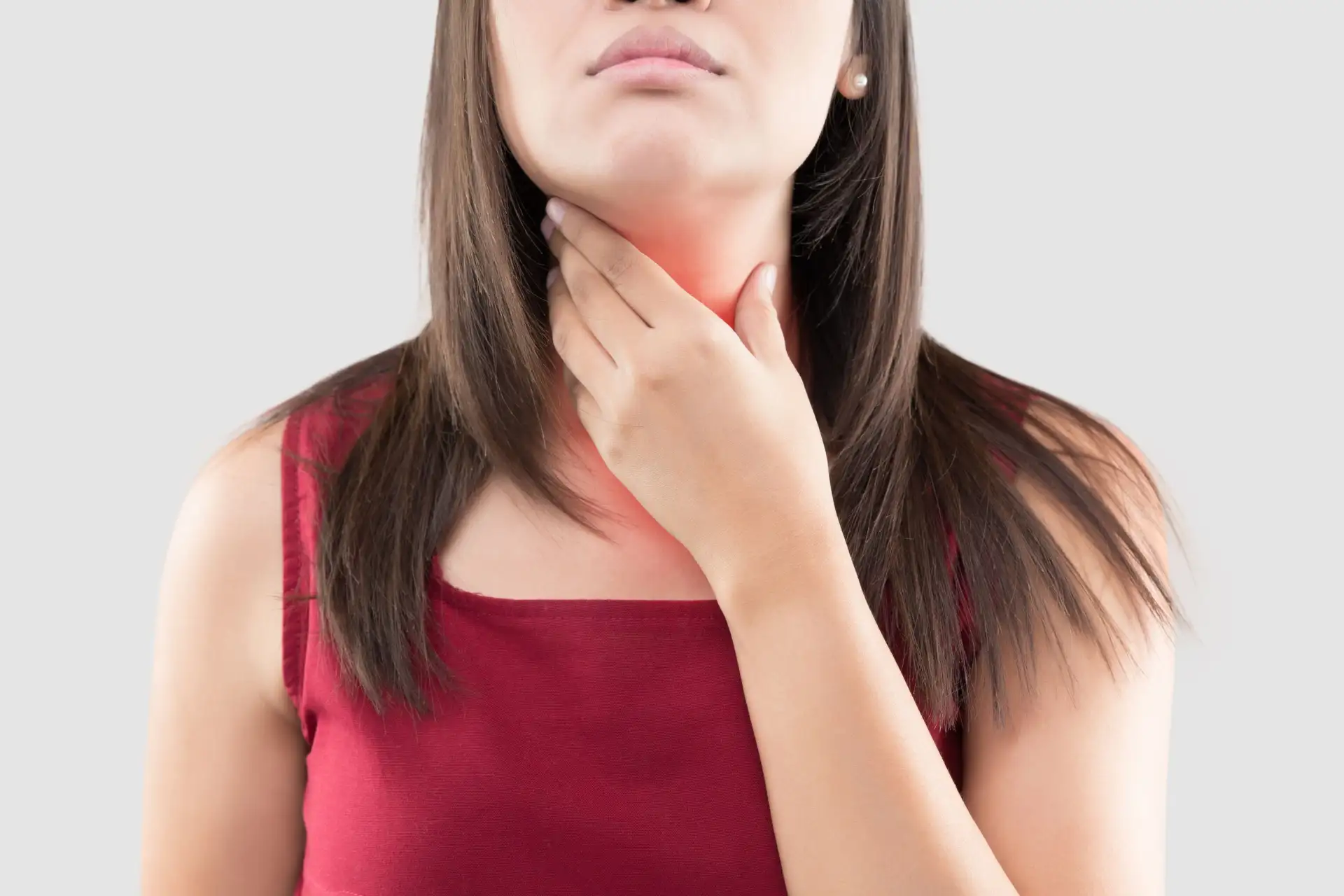
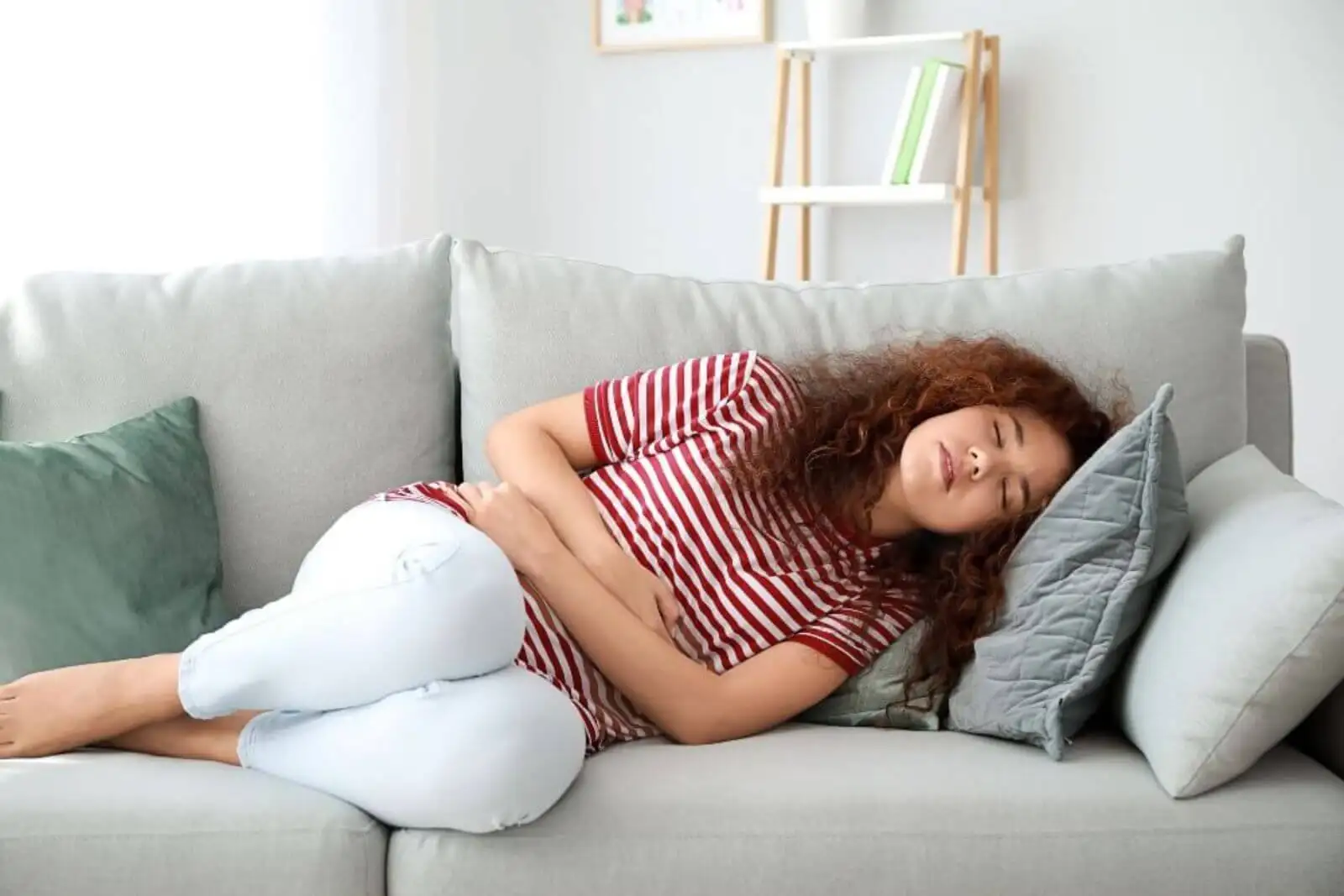
Identifying symptoms related to PMS and PMDD is crucial for effective treatment. These conditions can manifest in various ways, impacting emotional and physical health. Some signs could indicate the need for intervention and support.

  • Premenstrual headaches
  • General aches and pain
  • Anxiety or panic attacks
  • Bloating and digestive changes, including constipation or diarrhea
  • Poor sleep or insomnia, fatigue
  • Decreased motivation, focus, or interest during the second half of the cycle
  • Low mood, anxiety, irritability, or mood swings
  • Food cravings and changes in appetite
  • Poor sleep or insomnia, fatigue
  • Breast tenderness or spotting
  • Irritability, mood swings, or anger lasting many days to weeks
  • Physical symptoms similar to PMS, but often more severe
  • Acne and other skin changes, including rashes
  • Sadness, hopelessness, or thoughts of suicide

Common Causes of PMS

  • High estrogen levels, either total estrogen or relative to progesterone (often referred to as estrogen dominance)
  • Low progesterone levels on their own
  • Hormonal fluctuations happening at inappropriate times (for example, estrogen or progesterone dropping too early)
  • Inflammation and changes in immune system function


Common Causes of PMDD

The exact cause of PMDD is not fully understood, but current theories include:

  • Hormonal imbalances and inflammation, as listed above
  • Thyroid conditions, including Hashimoto’s thyroiditis
  • Histamine intolerance or mast cell dysfunction
  • Changes in serotonin signaling in the brain

Is It Just PMS?

Many people experience PMDD but believe it is simply “normal PMS.” The truth is, no PMS is normal. You should not be able to predict your period one to two weeks in advance based on symptoms alone.

Any premenstrual symptoms that go beyond mild discomfort—and begin to affect your confidence, relationships, ability to work, or day-to-day functioning—are a sign that support is needed.

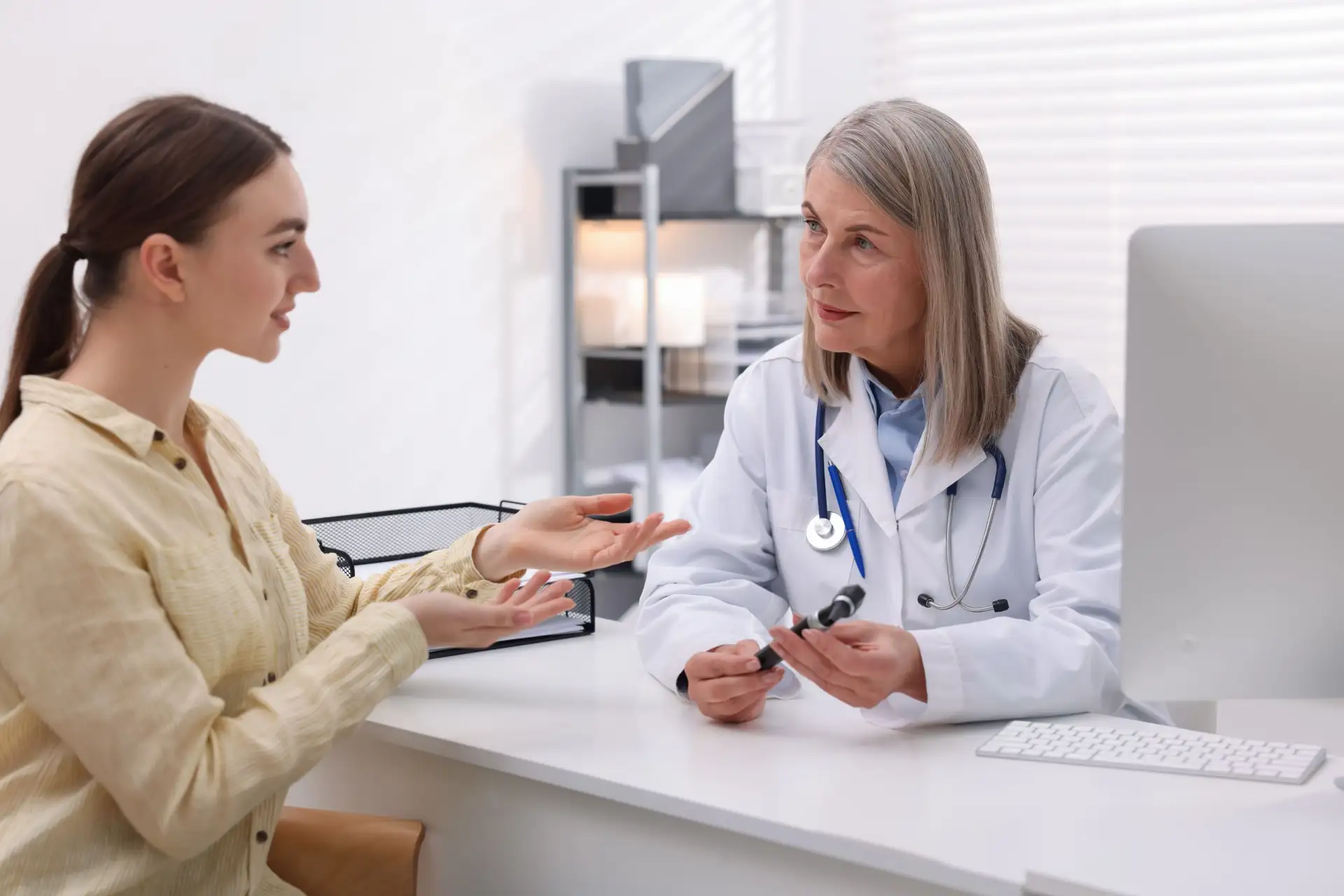
PMDD Assessment & Support

Not sure whether you have PMS/PMDD but know that something doesn’t feel right?

Consider booking a complimentary PMS/PMDD assessment.

During this session, you will meet with me to:

  • Review your symptoms and risk factors
  • Use a research-based assessment tool
  • Help you navigate a potential diagnosis
  • Discuss what a personalized treatment plan could look like

Please note: no treatment is provided during this session.

FAQs

Frequently Ask Questions

Incorporating whole foods, magnesium-rich options, and healthy fats helps stabilize hormones and improve symptom relief. Reducing sugar and caffeine intake is also beneficial for managing anxiety and irritability.

Results from naturopathic treatment for PMS/PMDD can vary based on individual circumstances, but many women notice improvements within a few menstrual cycles with consistent care and adjustments.

Yes, options include herbal supplements like chaste tree and evening primrose oil, along with lifestyle changes, stress reduction techniques, and dietary enhancements to support hormonal balance.