My appointment list is waiting for you.

Personalized Naturopathic Care for
Endometriosis

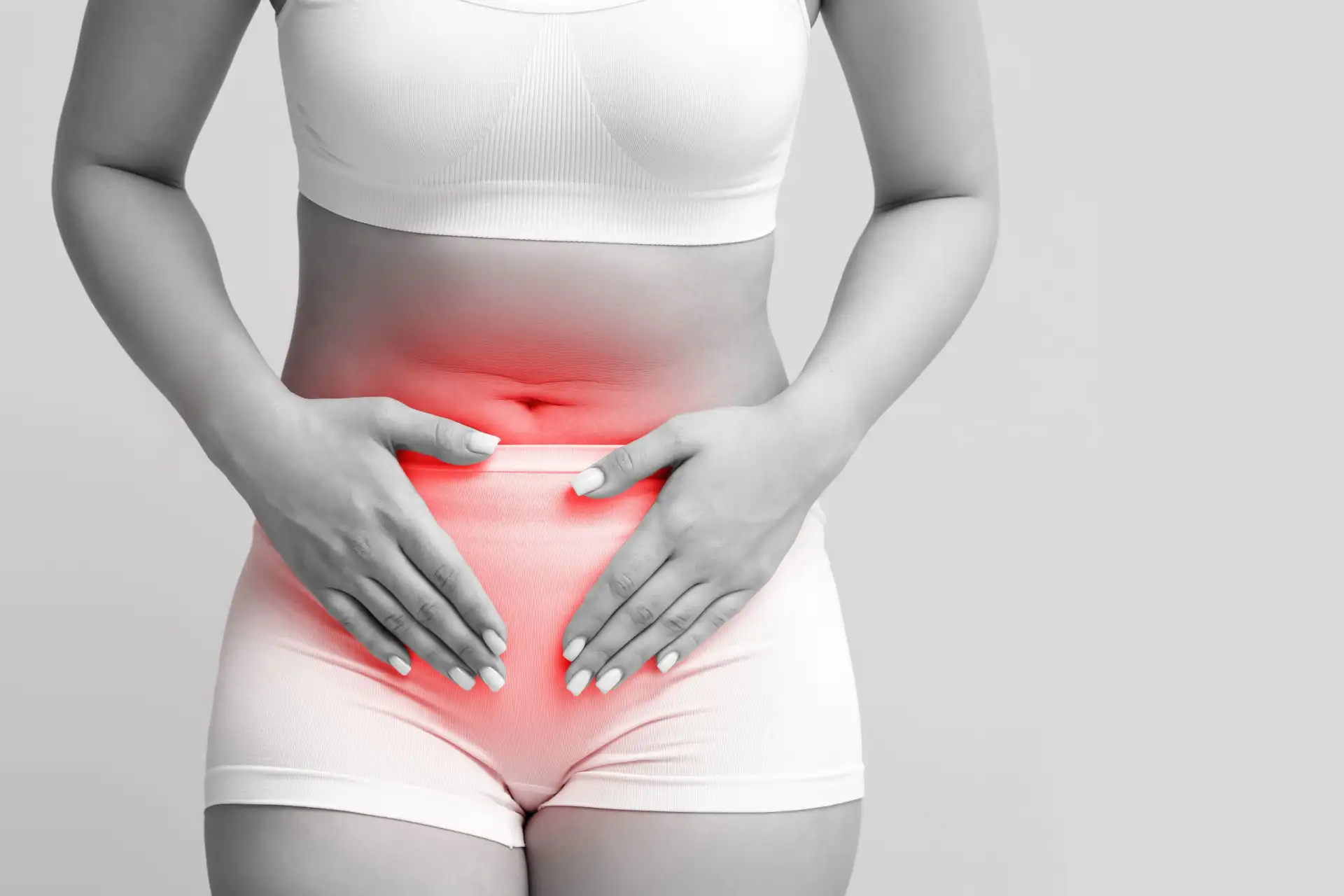
Endometriosis is a chronic and often debilitating condition that affects approximately 1 in 10 women during their reproductive years. It occurs when tissue similar to the lining of the uterus grows outside of the uterus. While this tissue most commonly appears on the ovaries, uterine ligaments, nerves, within the muscle of the uterus, or along the pelvic walls, it can develop in many areas throughout the body.

Symptoms vary depending on where this tissue is located, but commonly include pelvic pain, painful periods, pain with intercourse, discomfort with bowel movements, fatigue, and infertility. For many women, symptoms are most pronounced in the days leading up to and during menstruation.

Recognizing Endometriosis Symptoms

Understanding the signs of endometriosis is crucial for timely intervention. Common symptoms can manifest in various forms, indicating potential complications. Recognizing these symptoms can lead to prompt treatments.

  • Pelvic pain
  • Infertility issues
  • Nausea
  • Heavy periods
  • Bloating
  • Diarrhea
  • Painful intercourse
  • Fatigue

What Causes Endometriosis?

The exact cause of endometriosis is still not fully understood, but research over the past several years has significantly shifted how we understand this condition. It is now recognized as primarily an inflammatory and immune-mediated condition, rather than a purely hormonal one—although hormones do influence symptom severity.

Current research suggests that factors such as gut microbiome imbalances, environmental toxin exposure (including substances like dioxins), and immune system dysfunction all play a role in the development and progression of endometriosis. Studies also show that nutrition, targeted supplementation, and acupuncture can meaningfully impact symptoms and quality of life.

Why Is Endometriosis Often Missed?

Endometriosis can be difficult to diagnose definitively, as the gold standard for diagnosis is laparoscopic surgery. Because of this, many women live for years with significant pelvic pain—both during and outside of their menstrual cycle—without a clear diagnosis.

Endometriosis is also frequently associated with chronic fatigue and may coexist with other inflammatory or immune-related conditions, further complicating the picture.

Emerging diagnostic tools are currently being studied to improve early detection. In the meantime, certain blood markers—such as CA-125—may help indicate pelvic inflammation and have been linked to endometriosis in the medical literature.

What Does This Mean For You?

If you are experiencing pelvic pain, painful periods, pain with intercourse, discomfort with bowel movements, unexplained fatigue, or infertility, you are not alone—and you do not have to simply “live with it.”

There are ways to better understand what may be contributing to your symptoms and to begin a supportive, individualized plan aimed at reducing inflammation, improving function, and helping you move toward lasting relief.

FAQs

Frequently Ask Questions

The common symptoms of endometriosis include pelvic pain, heavy menstrual bleeding, painful intercourse, and fatigue. Other signs may include irregular periods, bloating, and nausea, which can affect daily life.

Yes, endometriosis can often be managed through natural methods. Naturopathic approaches, including herbal remedies and dietary modifications, may provide relief and improve overall health while minimizing side effects.

Absolutely, diet can significantly influence endometriosis symptoms. An anti-inflammatory diet may help manage pain and improve hormone balance. Consulting a naturopathic doctor for personalized dietary advice is recommended.