My appointment list is waiting for you.

Naturopathic Approach to Managing PCOS Symptoms

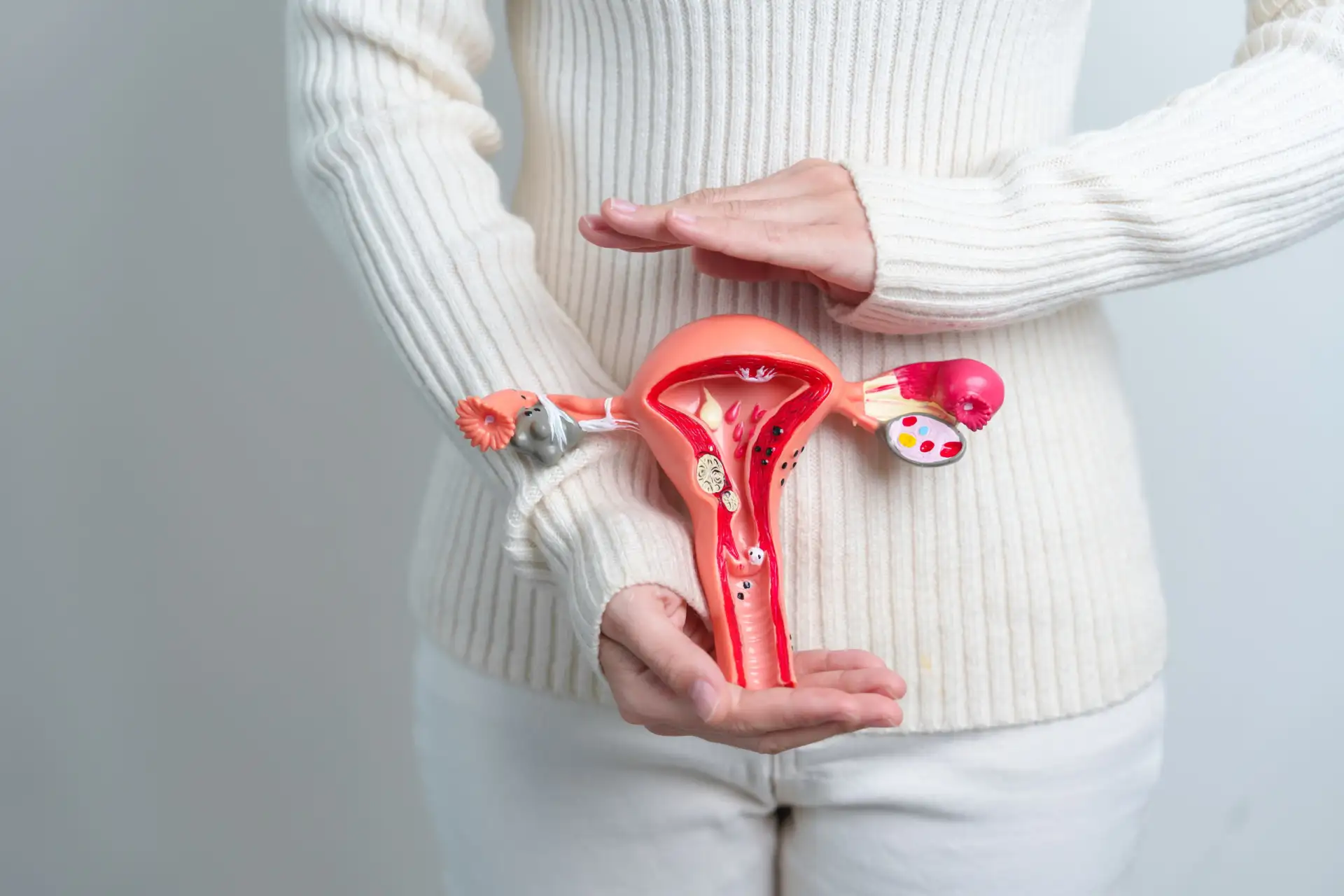
Polycystic Ovarian Syndrome (PCOS) is a complex condition that involves both sex hormones and hormones that regulate metabolism. It is estimated to affect approximately 1 in 10 women, though some research suggests the true number may be even higher.

PCOS can significantly impact both physical health and self-confidence. While irregular or absent periods are a hallmark feature, many women also experience acne, unwanted hair growth, hair thinning or loss, and, for some, changes in weight. PCOS is also considered the leading cause of anovulatory infertility.

Recognizing PCOS Signs and Symptoms

PCOS can exhibit a variety of symptoms. Understanding these signs aids in early detection and treatment. Women experiencing such symptoms should consider naturopathic assessments to tailor effective management strategies.

  • Irregular periods
  • excess hair
  • infertility
  • weight gain
  • mood swings
  • pelvic pain
  • acne
  • fatigue
  • headaches
  • hair loss
  • dark patches
  • sleep issues

What Causes PCOS?

There is no single cause of PCOS. Genetics do play a role, but other important contributors include diet, gut health, blood sugar regulation, stress, and environmental toxin exposure. Having a family history of PCOS or diabetes does not mean you are destined to struggle with symptoms or remain on hormonal birth control long term.

It’s also important to know that birth control is not a treatment for PCOS. While it may temporarily regulate cycles or improve symptoms, it does not address the underlying drivers of the condition. The good news is that there are many effective treatment options available, and some of the most well-researched approaches for PCOS are natural and lifestyle-based.


Do You Think You Might Have PCOS?

It is very common to suspect PCOS but not have a clear diagnosis. Not all presentations of PCOS look the same. Some women do not have significant hair growth or classic metabolic features. Subtypes such as lean PCOS and adrenal PCOS are often overlooked and require a more individualized approach.

A thorough assessment and targeted lab testing can help identify the specific type of PCOS and guide more effective, personalized treatment strategies.

Did You Know?

PCOS is frequently misdiagnosed. Ovarian cysts can develop for many reasons beyond PCOS, including coming off the birth control pill, thyroid conditions, chronic stress, or low body weight.

Obtaining an accurate diagnosis is the foundation of any effective treatment plan—and the first step toward feeling better.

FAQs

Frequently Ask Questions

The primary goal is to restore hormonal balance through tailored lifestyle and dietary adjustments while empowering women to manage their symptoms effectively.

Diet significantly influences insulin levels and inflammation, thus affecting symptoms. A balanced, whole-foods-based diet can alleviate issues related to PCOS.

Stress can exacerbate hormonal imbalances, making stress management techniques essential. Incorporating mindfulness and relaxation can enhance treatment outcomes.